
Gravel Driveway in Bremen Maine – Seamus Gilbert Excavation
Built Right. Built to Last.
If you need a solid, dependable gravel driveway in Bremen Maine, Seamus Gilbert Excavation is the local crew you can count on. We install properly graded and compacted gravel driveways designed for long-term durability and drainage. Whether you’re replacing a failing asphalt driveway or building a brand-new one from scratch, we bring the equipment, experience, and local knowledge to get the job done right the first time.
Why Choose a Gravel Driveway in Bremen Maine?
Gravel driveways are one of the most practical choices for homeowners in coastal and rural Maine. Here’s why so many people in the Bremen area choose gravel over asphalt or concrete:
Lower installation cost. Gravel costs significantly less to install than poured concrete or asphalt. You get a durable, functional driveway without breaking your budget.
Excellent drainage. Unlike solid paving surfaces, gravel allows water to drain through and around it naturally. This matters a lot in Maine, where rain, snowmelt, and spring thaws can cause real damage to poorly draining surfaces.
Fast installation. A gravel driveway can typically be completed in a fraction of the time it takes to install asphalt or concrete, so you’re not waiting weeks to use your driveway.
Easy to maintain. Gravel driveways don’t crack, chip, or crumble the way paved surfaces do. When they need attention, a simple regrading or top-up is usually all it takes.
Ideal for long rural driveways. If you have a long driveway — common on rural properties in this part of Maine — gravel is often the most sensible and cost-effective solution.
Flexible and forgiving. Gravel shifts slightly with the ground beneath it instead of cracking under pressure. That’s a real advantage in New England, where freeze-thaw cycles are hard on rigid surfaces.
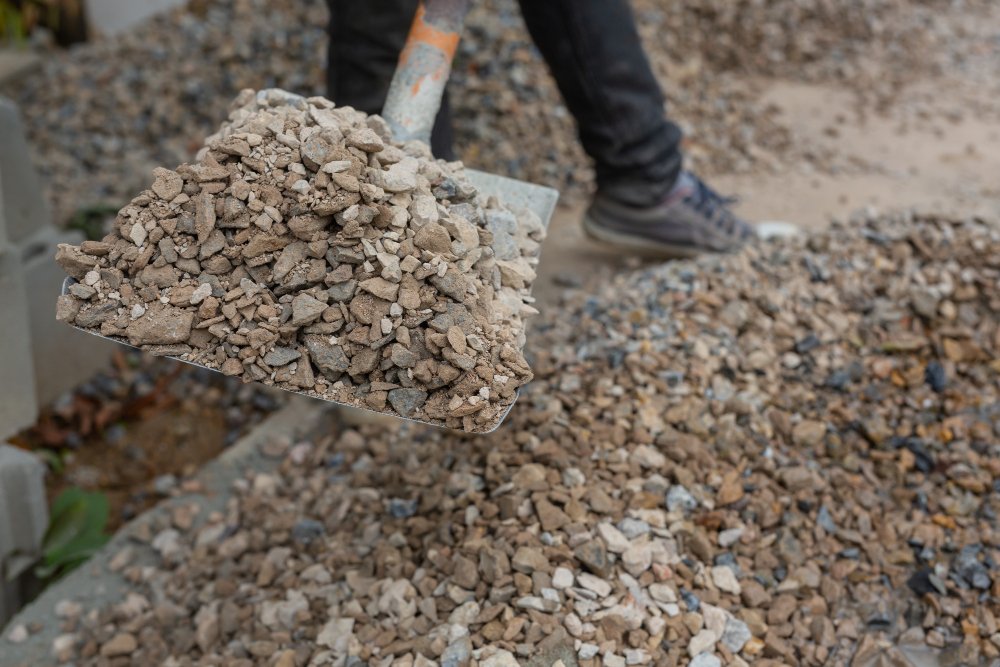
Our Gravel Driveway Installation in Bremen Maine
At Seamus Gilbert Excavation, we follow a step-by-step installation process that ensures your driveway holds up season after season. Our gravel driveway installation in Bremen Maine is not a one-and-done gravel dump. We do it properly, from the ground up.
- Site Evaluation We start by walking your property and assessing the existing surface, slope, and drainage conditions. Every driveway is different, and a good installation starts with understanding what you’re working with.
- Excavation and Topsoil Removal We excavate the driveway area and remove topsoil, roots, and any unstable material. Soft or organic material beneath a driveway is one of the most common causes of ruts and settling — so we clear it out before anything else goes in.
- Grading for Drainage We grade the subbase with a slight crown or slope so water runs off to the sides instead of pooling in the middle or washing out the edges. This is one of the most important steps and something gravel driveway contractors near Bremen ME who do the job right never skip.
- Base Layer Installation We install a compacted base layer — typically a dense-graded material like crusher run — at proper depth. A solid base is what separates a driveway that lasts years from one that turns into a muddy mess after a hard rain.
- Top Gravel Layer Placement Once the base is solid, we apply the finish gravel layer. We select the right material for your driveway based on your property, traffic load, and personal preference.
- Compaction and Finishing We compact the surface and finish the edges cleanly. Edge stabilization helps keep gravel from spreading into your lawn over time.
Types of Driveway Gravel We Use
Choosing the right material matters. When it comes to driveway gravel near Bremen ME, we work with several options depending on what suits your driveway best:
Crusher Run – Also called “processed gravel,” this is a mix of crushed stone and stone dust that compacts tightly and creates a firm, stable surface. It’s our most commonly recommended material for driveways.
Crushed Stone – Angular crushed stone locks together well and drains effectively. It’s durable and handles heavy traffic without shifting excessively.
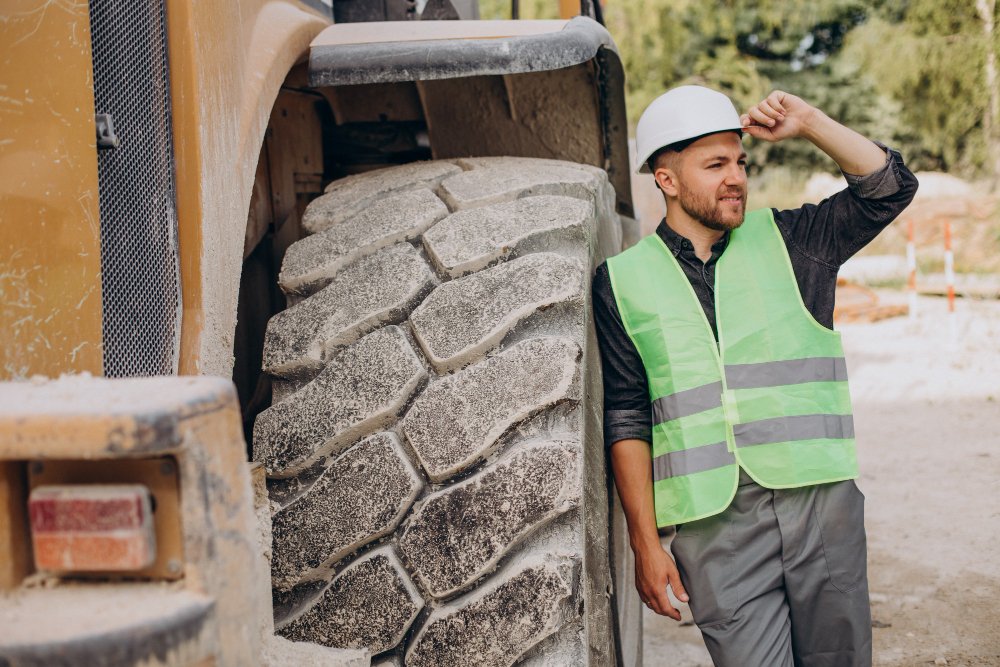
Limestone Gravel – A solid choice for driveways that need good compaction and durability. Limestone holds up well under regular use.
Pea Gravel – Smooth and rounded, pea gravel is sometimes used for aesthetic purposes, though it’s less ideal for high-traffic driveways since it doesn’t compact as firmly.
Recycled Gravel – A cost-effective and environmentally friendly option that works well for base layers and lower-traffic driveways.
We’ll help you choose the right material for your specific situation. When you source driveway gravel near Bremen ME through us, you’re getting quality material selected for Maine conditions — not whatever was cheapest to ship.
Is a Gravel Driveway Right for Your Property?
Gravel works well in a wide range of situations. It may be the right fit if you have:
A long rural driveway leading to your home or camp. A secondary access road or farm lane. A property where paving costs would be prohibitive. A failing asphalt driveway that needs a more practical replacement. A budget-conscious upgrade that still looks clean and holds up well.
If any of those sound familiar, a gravel driveway is almost certainly worth considering.
Are Gravel Driveways Durable?
Yes — when they’re installed correctly. The most common problems people associate with gravel driveways (ruts, washouts, displacement) are almost always the result of a poor installation. Skipping proper excavation, using the wrong base material, or failing to grade for drainage will cause problems no matter what surface you’re working with.
When we complete a gravel driveway installation near Bremen ME, the goal is a surface that handles Maine winters, spring mud season, and regular traffic without constant attention. That said, no driveway is completely maintenance-free, and gravel is no exception.
Maintaining Your Gravel Driveway
One of the advantages of gravel is that maintenance is simple and affordable. Here’s what to expect over time:
Periodic regrading. Over the years, gravel can shift or develop low spots. A quick pass with a grader levels things out and restores proper drainage. Most driveways need this every few years depending on use.
Adding fresh gravel. Material naturally spreads and settles over time. Topping up with fresh gravel every few years keeps the surface looking good and functioning well.
Drainage maintenance. Keeping ditches and culverts clear prevents water from backing up and washing out your driveway surface.
Edge containment. Edging helps keep gravel from spreading into surrounding lawn or garden areas, reducing waste and keeping the driveway looking neat.
Serving Bremen and Surrounding Communities
We provide gravel driveway installation near Bremen ME and serve homeowners throughout the surrounding area. If you’re not sure whether we cover your location, just give us a call — we’re happy to let you know.
As local gravel driveway contractors near Bremen ME, we understand the soil conditions, drainage challenges, and seasonal demands that come with building driveways in this part of Maine. We’re not a big out-of-town company. We live and work here, and we stand behind what we build.
Get a Free Estimate Today
If you’re ready to install or upgrade a gravel driveway in Bremen Maine, Seamus Gilbert Excavation is ready to help. We offer free on-site estimates, straightforward pricing, and professional installation you can count on.
Call us today or reach out online to schedule your estimate. We’ll come out, take a look at your property, and give you a clear, honest quote — no pressure, no guesswork.
Seamus Gilbert Excavation — Bremen, Maine’s trusted choice for gravel driveways.
Frequently Asked Questions (FAQS)
1. How long does a gravel driveway last?
A properly installed gravel driveway can last 10 to 20 years or more with basic upkeep. The key word here is “properly installed.” When the ground is excavated correctly, the base is compacted well, and drainage is built in from the start, a gravel driveway holds up through years of Maine winters, heavy rain, and daily traffic. You’ll likely need to top up the gravel and regrade the surface every few years, but those are minor maintenance tasks compared to the cost of repaving an asphalt or concrete driveway. The better the installation, the longer it lasts.
2. What is the difference between gravel and recycled asphalt driveways?
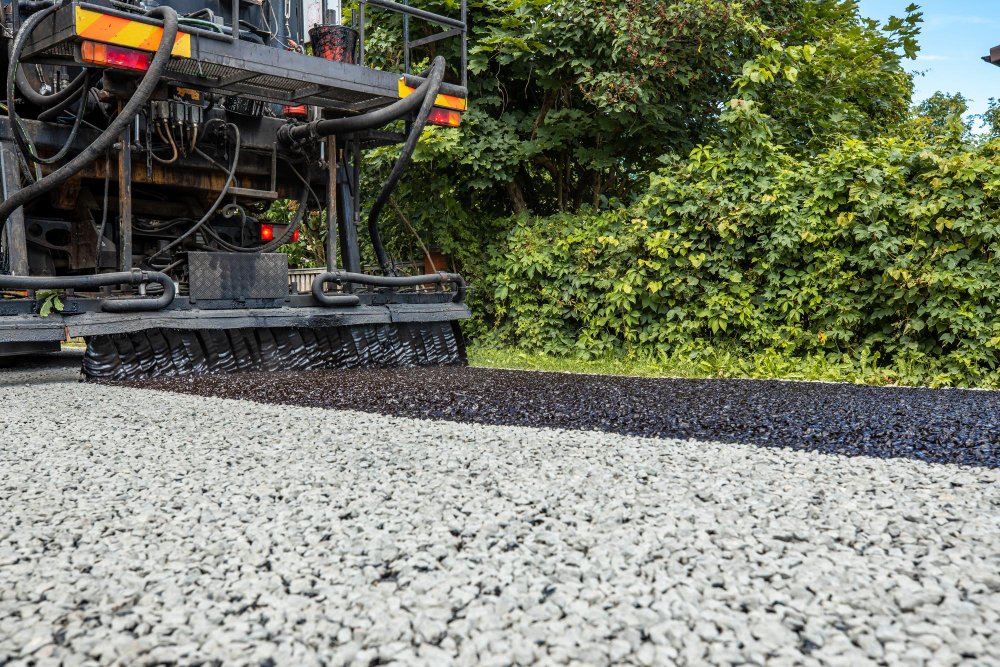
Both are popular, affordable driveway options, but they behave differently. Gravel is loose crushed stone that stays relatively flexible, drains well, and is easy to add to or regrade over time. Recycled asphalt — sometimes called millings — is made from ground-up old asphalt pavement. When it compacts and heats up in the sun, it binds together and creates a firmer, more solid surface than loose gravel. Recycled asphalt tends to produce less dust and displacement, but it drains less freely than gravel. Gravel is generally better for properties that need strong drainage, while recycled asphalt can be a good middle ground between a loose gravel surface and a fully paved driveway.
3. Do I need excavation before installing a new driveway?
Yes, in almost every case. Skipping excavation is one of the biggest mistakes made in driveway installation. If you simply dump gravel on top of grass, topsoil, or soft ground, it will sink, shift, and develop ruts quickly. Proper excavation removes that unstable organic material and gives you a firm, solid foundation to build on. How deep we need to dig depends on your soil conditions and what’s already there, but excavation is a step we never skip. It’s what separates a driveway that lasts from one that needs to be redone in a couple of years.
4. How thick should a driveway base be?
For a standard residential gravel driveway, a compacted base of 4 to 6 inches is typically recommended, with some driveways benefiting from a base as deep as 8 to 12 inches depending on the soil conditions underneath. In Maine, where freeze-thaw cycles put extra stress on the ground, a deeper, well-compacted base makes a real difference. On top of the base layer, you generally want 2 to 4 inches of finish gravel. The total depth matters because a thin base is what leads to rutting, soft spots, and drainage problems down the road. We assess your specific site before recommending a depth so you get the right build for your property.
5. How do I maintain a gravel or recycled asphalt driveway?
Maintenance for both surfaces is straightforward and relatively inexpensive. For a gravel driveway, plan on regrading the surface every couple of years to level out any low spots and restore the drainage slope. You’ll also want to top up with fresh gravel periodically as material naturally spreads or settles over time. Keeping ditches and culverts clear helps prevent washouts. For recycled asphalt, the surface may need occasional regrading as well, especially after a harsh winter. In the summer, asphalt millings can soften slightly in high heat, so avoid parking heavy equipment in the same spot repeatedly. For both surfaces, catching small problem areas early — a developing rut or a low spot collecting water — and addressing them quickly will save you from bigger repairs later.